
UP IHR Continues to Call for Public Health and Rights-Based Approach in TWG Meetings for the Amendment of the Dangerous Drugs Law
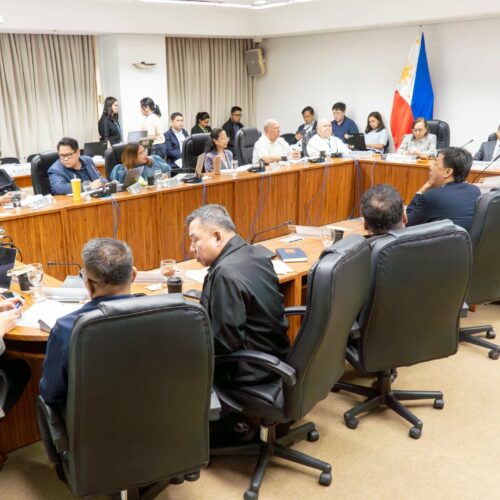
The UP Law Center Institute of Human Rights (UP IHR) continued to provide legal expertise to the House of Representatives Committee on Dangerous Drugs in the fourth, fifth and sixth Technical Working Group (TWG) Meetings on the amendment of RA 9165, or the Comprehensive Dangerous Drugs Act of 2002.
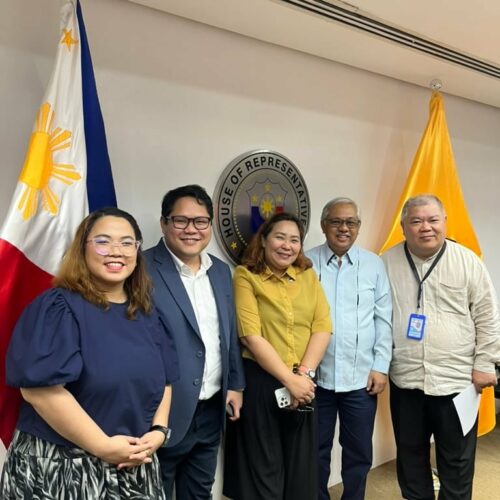
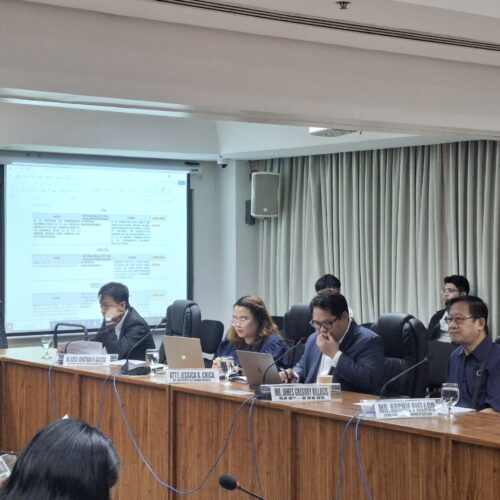
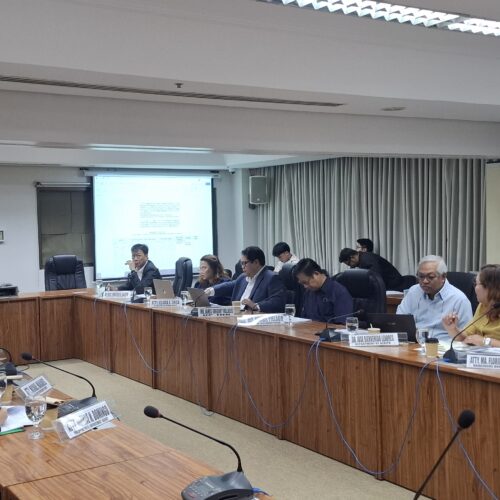
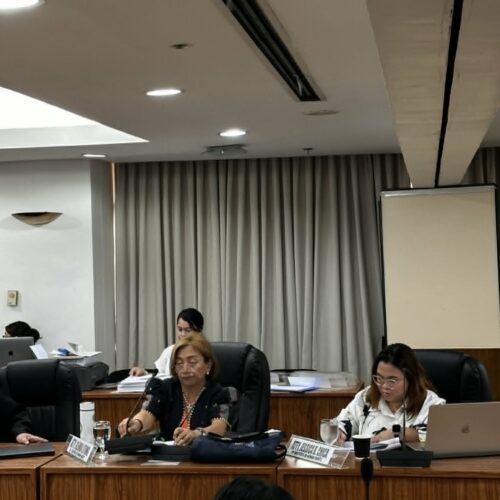
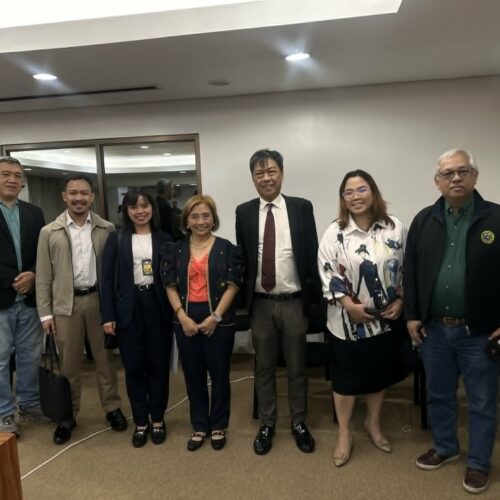
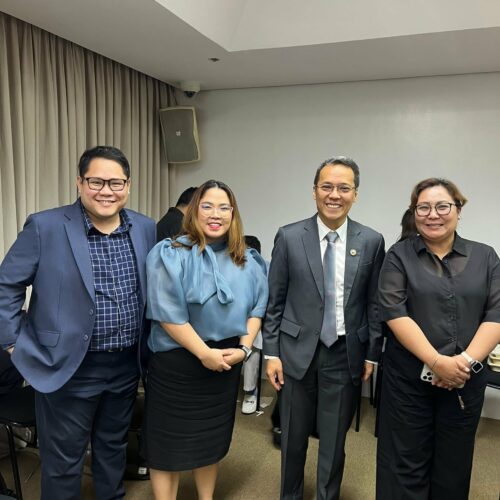
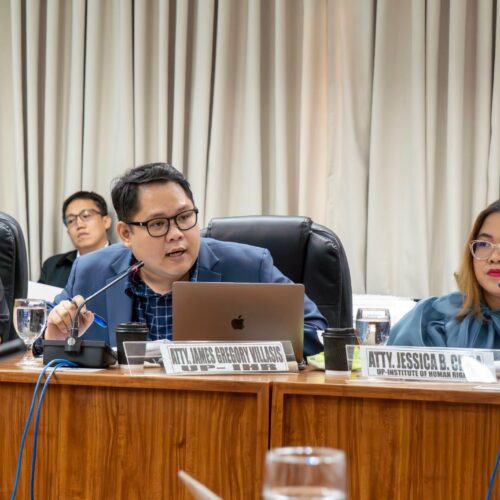
The fourth TWG Meeting was held on 21 April 2026 and was attended by UP IHR University Researchers Atty. James Gregory A. Villasis and Atty. Jessica B. Chica, and Research Assistant Crissa Muyalde. The meeting focused on discussing the proposed amendments to Sections 12-14 and 16 of RA 9165. During the meeting, the UP IHR contingent stressed that the word “presumption” must be used with caution, especially in the context that possession of drug paraphernalia shall give rise to the presumption of drug use. UP IHR emphasized that when it comes to legal presumptions, there must be a logical connection between the presumed fact and the actual fact. Furthermore, UP IHR also submitted its suggestion that rules must first be established and that compliance with such rules is necessary before such prima facie presumption arises.
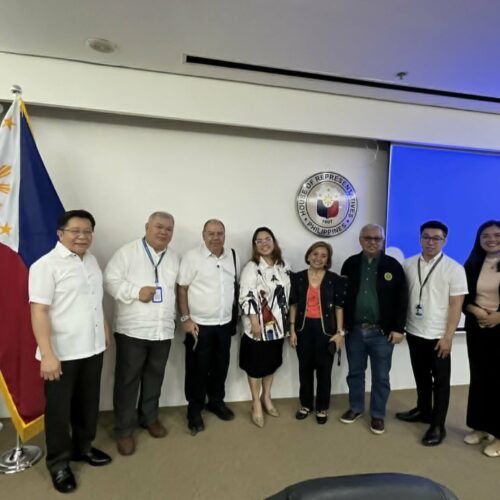
On the other hand, the fifth TWG Meeting which was held on 28 April 2026, focused on Section 15 of RA 9165, which pertains to the use of dangerous drugs. The UP IHR was again represented by Senior Law Reform Specialist Atty. Glenda T. Litong, Atty. Chica, and Research Assistant Patricia Bobadilla. During the meeting, Section 16 on the cultivation of plants classified as dangerous drugs was also revisited. On the penalties for drug use, Atty. Litong once again advanced the position of UP IHR, consistent with the legal framework of RA 9165, that drug use is an illness and must be treated as a public health concern. As such, drug users must be given the option to access alternative measures. Atty. Litong further shared that UP IHR opposes penalizing drug use because doing so has the effect of stigmatizing users and preventing them from accessing proper healthcare.
The sixth TWG Meeting was held on 19 May 2026 and was attended by Atty. Villasis and Atty. Chica. The discussion focused on Section 21 of RA 9165. UP IHR firmly reiterated its position that the marking and physical inventory should be conducted immediately so that law enforcement authorities do not have the discretion to determine when other acts should be carried out and accomplished. UP IHR also supports the use of body-worn cameras from the beginning until the termination of the law enforcers’ drug-related operations.
The UP IHR’s lawyers’ pronouncements during the TWG Meetings are embodied in the Institute’s position paper on the proposed amendments, which advocates for recontextualizing drug use not solely as a matter of criminal culpability, but as a complex public health issue. The Institute supports the introduction of reforms for a more compassionate, public health and human rights-based, and evidence-informed drug policy.












 on the upper right corner to select a video.