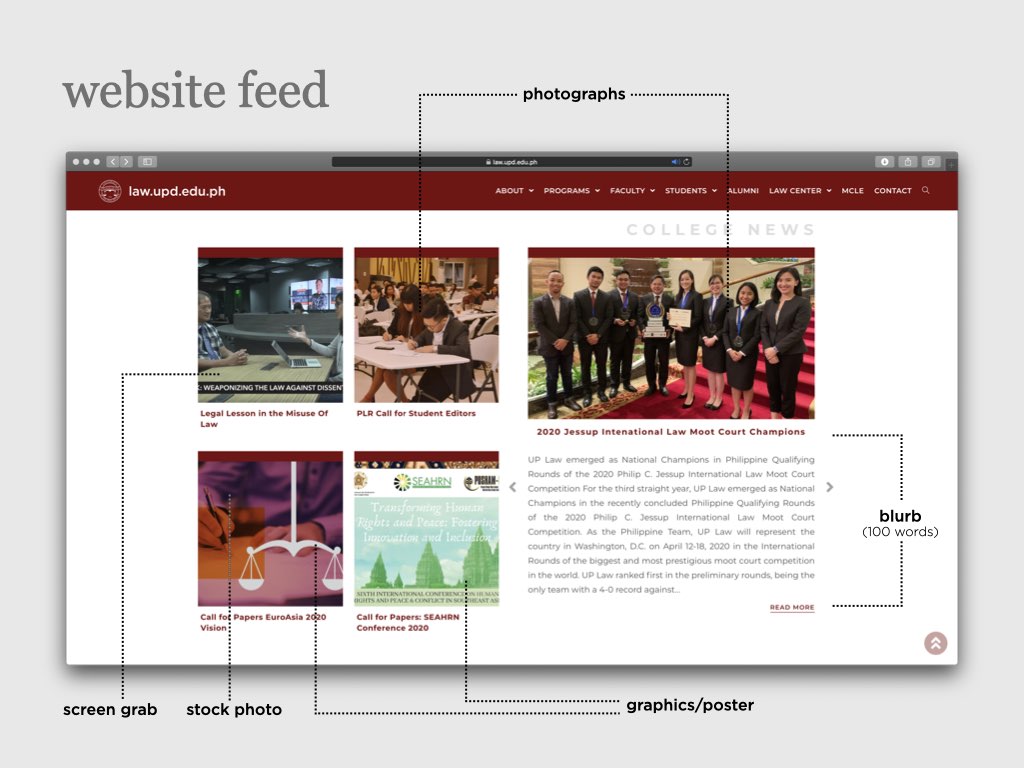
Legal Lesson in the Misuse Of Law

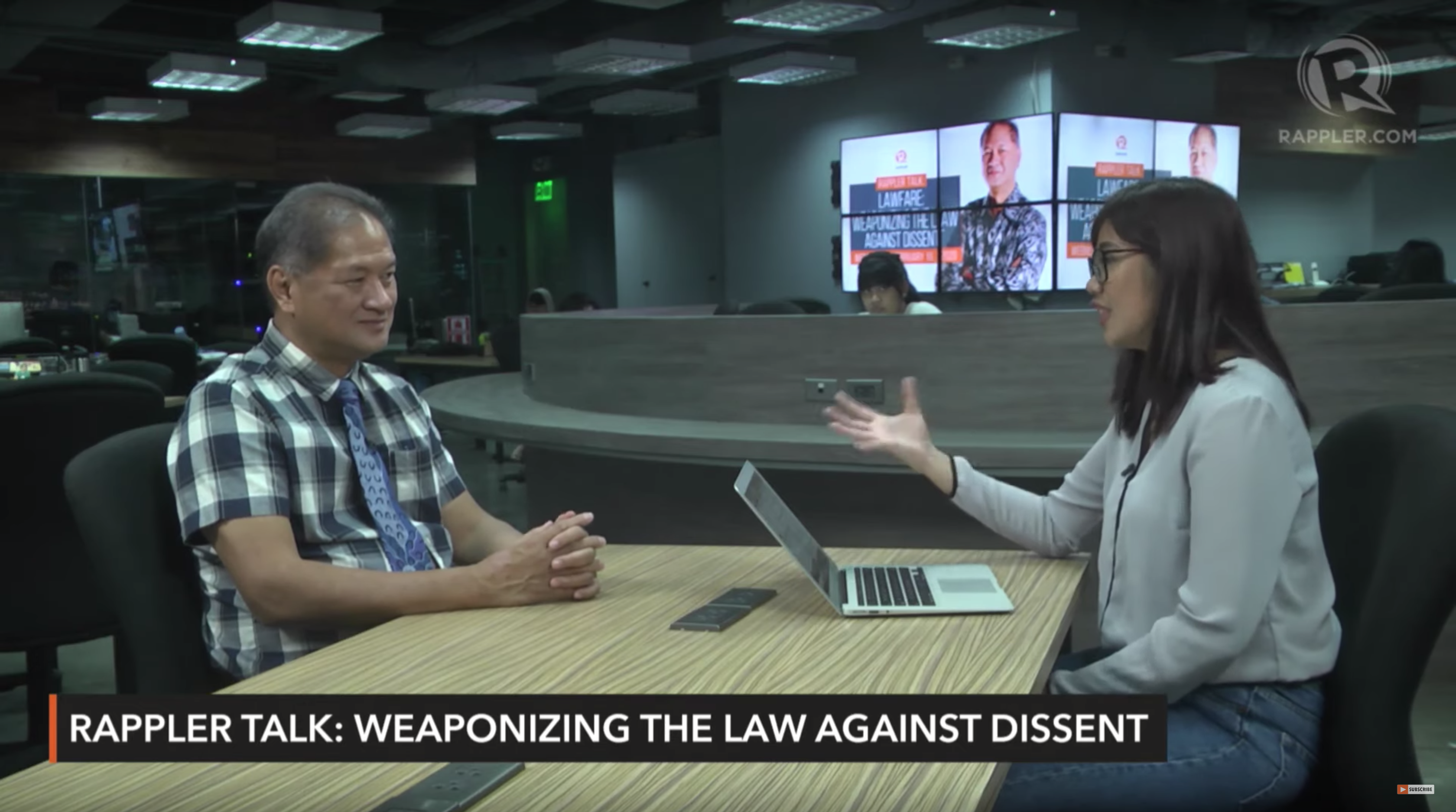
Lawfare - misuse of the law to go after perceived political enemies In a extensive interview Professor Antonio La Viña presented a thoughtful reflection on what needs to be done in the face of the number of cases using lawfare to go after critics of the government, be they in business, activists, opposition politicians, religious people, or perceived dissenters in the provinces. Civil Liberties defender-lawyer La Vina, expressed alarm at how “we are at the stage where law across the board is being used to go after those this administration thinks is their enemy – the law is being used…

Continue Reading Legal Lesson in the Misuse Of Law

A Question of Academic Freedom in Legal Education

Does LEB encroach on Supreme Court’s power to regulate and supervise the legal profession: a question of academic freedom in legal education: Law class discussion could well be enriched hereon with the recent Supreme Court decision on Oscar Pimentel et al. vs. Salvador Medialdea and the Legal Education Board (LEB). Petitioners in this case questioned the power of the LEB to institute PhilSat, a nationwide uniform law school admission test, for applicants to all law schools. In its decision, the Court upheld the LEB as an institution but “severely constricted” its regulatory powers  “by the Court’s sweeping and strong endorsement…

Continue Reading A Question of Academic Freedom in Legal Education

Global Magnitsky Act: As International Law

Global Magnitsky Act: As International Law Leading human rights advocate and public international law teacher Antonio La Viña elucidates the Global Magnitsky Human Rights Accountability Act, which sanctions specific violators of human rights, globally. It bans them from entry into the USA along with freezing of their assets. In his column “Eagle Eyes” in the Manila Standard of 30 December 2019, Professor La Viña explains that “human rights atrocities violate jus cogens norms”. He then discusses how the US enacted Magnitsky Act of 2012 is now being implemented through the US 2020 budget by inserting a provision on Senator Leila…

Continue Reading Global Magnitsky Act: As International Law

News Media Report on Faculty’s Statement of Support

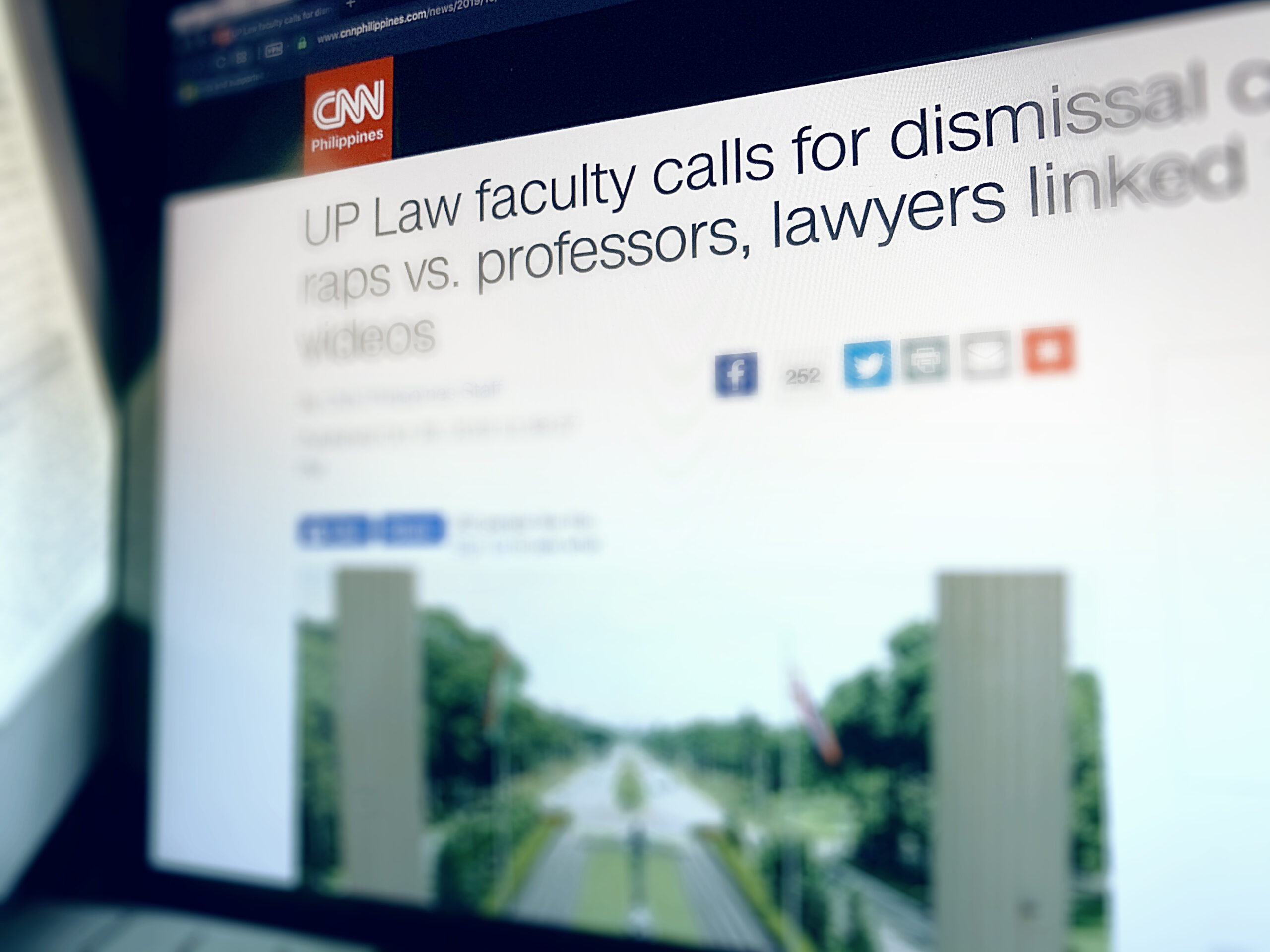
News media report on UP Law Faculty’s call to dismiss baseless charges against its Professors At least two news media channels have taken note of the UP Law Faculty Statement of Support posted online last Monday. The Statement denounces as harassment, charges brought against Professor Theodore Te, Professor Serafin Salvador Jr., and former Professor Florin Hilbay, along with members of the Integrated Bar of the Philippines and Free Legal Assistance Group. The charges based are based on claims made by Peter Joemel Advincula, a witness of dubious credibility. Citing the UN Basic Principles on the Role of Lawyers adopted in 1990 the…

Continue Reading News Media Report on Faculty’s Statement of Support

Prof. Casis delivers annual Edgardo J. Angara Professorial Chair Lecture

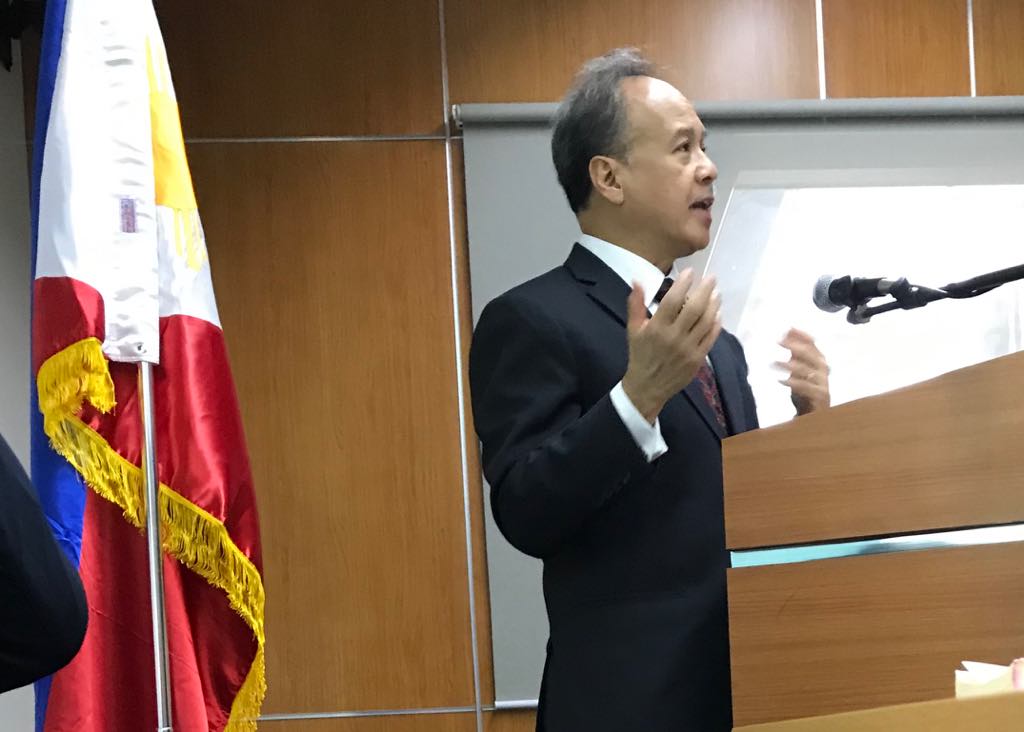
Prof. Casis delivers annual Edgardo J. Angara Professorial Chair Lecture Professor Rommel J. Casis examined customary international law in his Edgardo Angara Professorial Chair Lecture at Bocobo Hall on 24 October 2019. In his lecture, “Re-Customizing Customary International Law,” Professor Casis discussed specifically one source of international law namely the Statute of the International Court of Justice. He argued that although custom is the lifeblood of international law, the concept is still problematic in many ways. His critique on customary international law as it now stands, restedmainly on the two elements of custom in general: state practice, and opinio juris…

Continue Reading Prof. Casis delivers annual Edgardo J. Angara Professorial Chair Lecture

Parsing Maynilad vs. DENR Decision

Maynilad vs. DENR is a significant decision penned by the Philippine Supreme Court. Lawyer-Columnist of the Manila Standard, Tony La Viña describes it as “probably the best environmental decision of the Philippine Supreme Court.” In his column “Eagle Eyes” of October 15, 2019, donning his hat as law professor he discusses the four doctrines that provide the basis of the decision. The reader is introduced to the Regalian doctrine, parens patriae, police power of the State, and the public trust doctrine. In sum he explains that: “. . . the Supreme Court connected the more established Regalian and parens patriae…

Continue Reading Parsing Maynilad vs. DENR Decision

End of content

No more pages to load